If your Edgewater luxury condo is sitting on the market too long, the problem is not always the property. In many cases, it is the leasing strategy. With new inventory coming online, steady renter demand, and more competition at the top of the market, you need a plan that matches how high-end renters actually shop and how Edgewater buildings actually operate. Let’s dive in.
Why Edgewater Needs a Smart Leasing Plan
Edgewater has become one of Greater Downtown Miami’s defining bayfront condo markets. The neighborhood is known for walkability, high-rise living, Biscayne Bay views, and close access to Downtown, Midtown, the Design District, and Margaret Pace Park.
That location story matters, but so does the supply picture. Miami REALTORS reported 1,317 units under construction in the Miami market area as of February 2026, while occupancy in the priciest urban core and coastal submarkets stayed around 95 percent. That means demand is still there, but owners should expect more choices for renters and a market that rewards sharper execution.
For luxury condo owners, generic apartment rent averages only tell part of the story. As of June 2026, average Edgewater apartment rents were listed at $2,052 for studios, $2,709 for one-bedrooms, $3,396 for two-bedrooms, and $4,022 for three-bedrooms. By contrast, the Greater Downtown condo market showed an average condo rent of $4,450 per unit, with luxury condo rent averaging $7,894.
The takeaway is simple. If your unit has premium views, strong amenities, and polished presentation, it should be positioned as luxury condo inventory, not as a standard rental.
Price for Today’s Luxury Renter
A strong leasing strategy starts with realistic pricing. Miami REALTORS reported that rents in the Miami market rose just 0.6 percent year over year, while new leases were trading slightly below in-place rents.
That creates an important shift for owners. You cannot assume last year’s pricing approach will work in today’s market, especially when renters can compare your condo with newer or freshly listed alternatives nearby.
Lead with launch pricing
The first days on market matter. If you start too high and chase the market down later, you can lose momentum and invite deeper negotiation.
A better approach is to launch with a price that reflects your building, your line, your view, your condition, and your lease terms. In Edgewater, where renters often compare lifestyle value as much as square footage, a well-priced listing can create urgency and reduce the need for future concessions.
Plan for concessions early
Miami REALTORS reported that 8 percent of Miami market area units were offering concessions as of February 2026, often equal to about one month of free rent. In a competitive luxury segment, that means flexibility can be part of the strategy, not a sign of weakness.
Instead of reacting late, decide in advance what you are willing to offer. That could mean a cleaner asking rent with a move-in incentive, or a slightly stronger rent number backed by exceptional furnishings, services, or lease structure.
Use Views and Amenities as Pricing Assets
In Edgewater, the view is not just a nice extra. It is often one of the unit’s strongest value drivers.
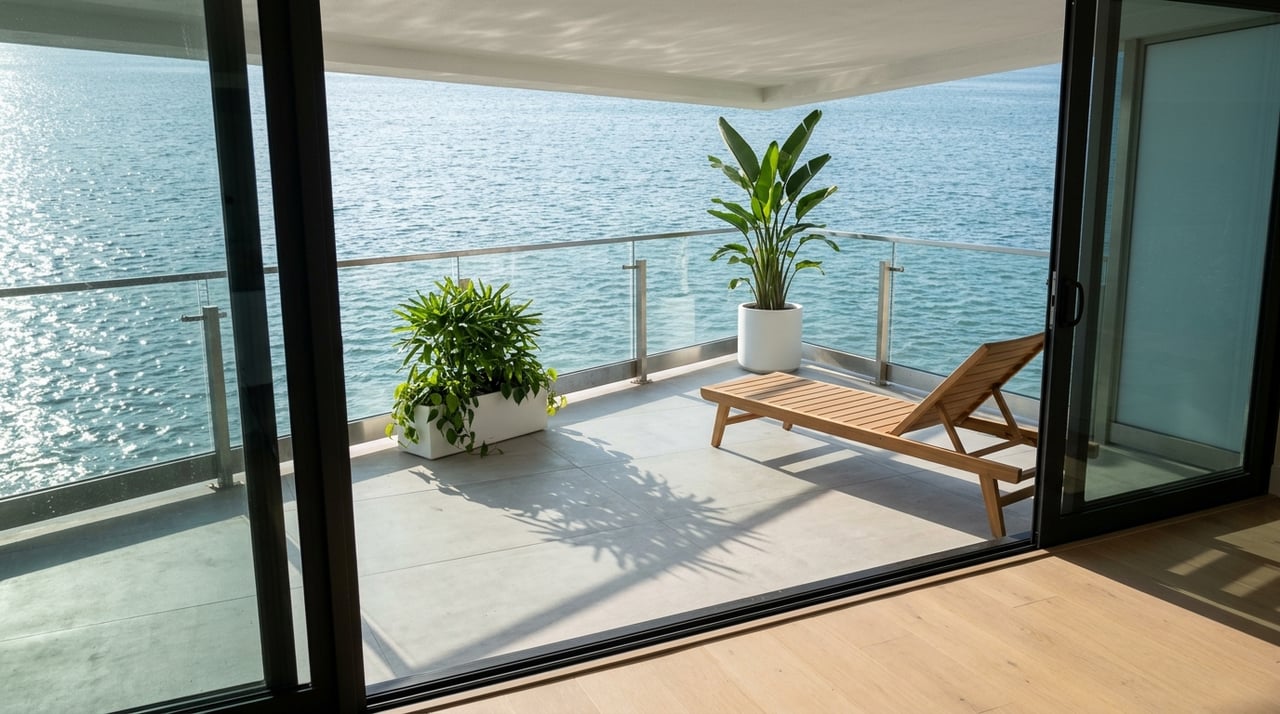
Local market research describes Edgewater as a bayfront living market with unmatched bay views, and neighborhood guides consistently highlight high-rise outlooks over Biscayne Bay and Miami Beach. If your condo has unobstructed water views, a wide balcony, a high floor, or ideal exposure, those features should be central to your leasing strategy.
What renters notice first
High-income renters in this segment often respond to lifestyle clarity. They want to understand what it feels like to live in the space, not just how many bedrooms it has.
Focus your presentation on features such as:
- Water or skyline views
- Floor-to-ceiling glass and natural light
- Balcony depth and usability
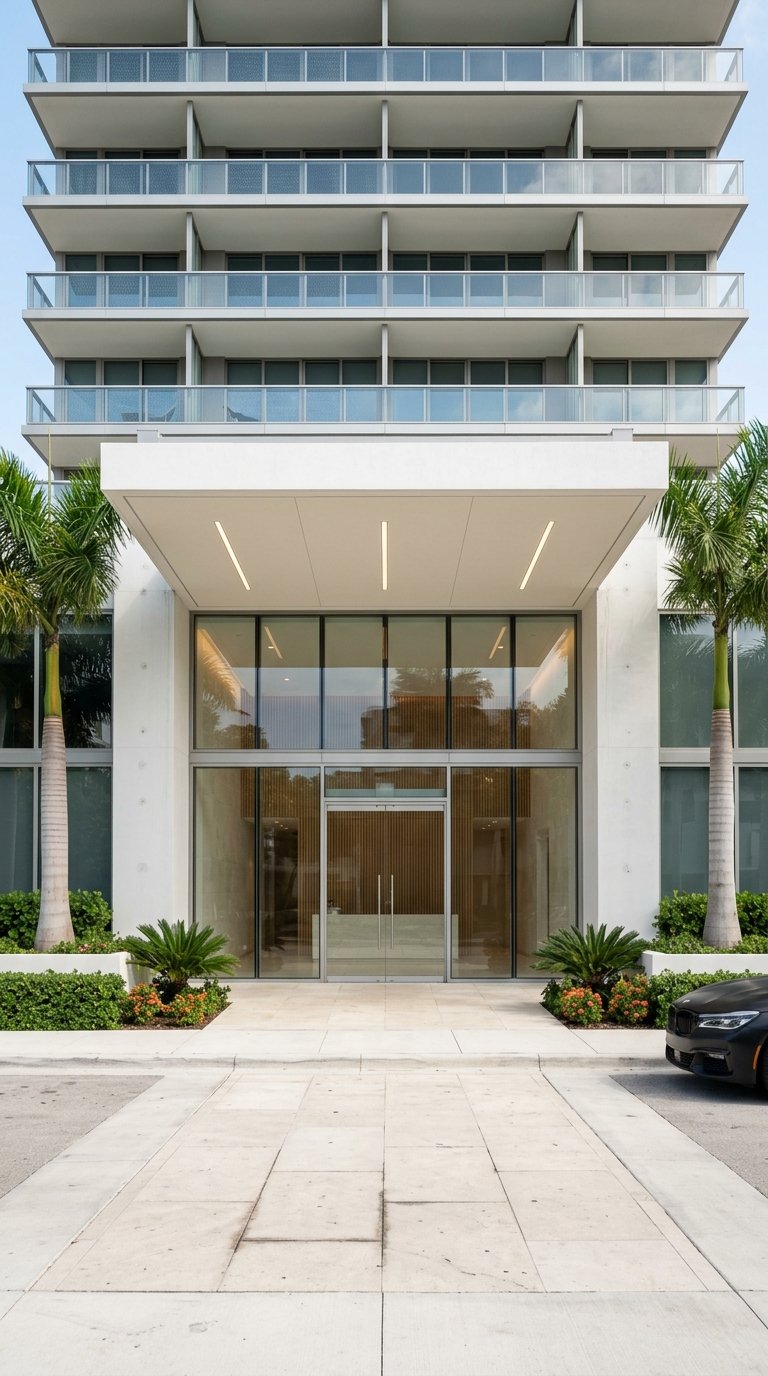
- Lobby and amenity quality
- Proximity to Downtown and nearby job centers
- Furnished, turnkey convenience when applicable
A listing that only mentions the building name and square footage can undersell a premium unit. A listing that clearly presents the full living experience can justify stronger pricing.
Choose Furnished or Unfurnished Carefully
One of the biggest decisions for an Edgewater condo owner is whether to lease furnished or unfurnished. The right answer depends on your target renter, desired rent level, and turnover tolerance.
When furnished makes sense
Furnished condos often align well with high-income relocators, corporate transferees, and renters who want a seamless move. MIAMI REALTORS identified high-income renters as a support for upper-tier demand, including out-of-state job switchers with average income of $101,400.
If your condo has premium views, a strong amenity package, and easy access to Downtown, a furnished strategy may attract renters who will pay more for convenience. This can be especially effective when the furniture, styling, and photography feel intentional and current.
When unfurnished is the better play
Unfurnished units usually appeal to a broader renter pool and often support lower turnover. For owners focused on stability and longer lease cycles, that wider audience can be an advantage.
A 12-month lease is often the safest base case for a condo that is meant to function as residential housing rather than a seasonal asset. It can also simplify planning, reduce vacancy gaps, and keep the leasing process aligned with typical condo association expectations.
Understand Seasonality Without Chasing It
Miami rental demand moves throughout the year, even though the city has steadier year-round activity than more seasonal beach markets. Florida Realtors notes that price spikes can occur around winter holidays and spring break, while summer is often a better time for long-term renters to secure a deal.
For owners, that means timing still matters, but discipline matters more. You can try to capture stronger winter demand, yet the best results usually come from having the unit ready, priced correctly, and marketed professionally when the renter is ready to act.
A practical seasonality approach
If you want a conventional residential lease, avoid building your whole plan around a narrow seasonal window. Instead:
- Prepare the unit before peak demand arrives
- Launch with strong visuals and clean terms
- Use winter demand to support pricing when the market allows
- Stay flexible in summer if your goal is faster absorption
The goal is not to guess every market turn. The goal is to stay competitive in every season.
Check Building Rules Before You Market
In Edgewater, leasing strategy is not just about price and presentation. It is also about compliance.
Florida condo law gives significant weight to the condominium declaration, bylaws, and house rules. If the governing documents authorize the association to approve or disapprove a lease, the association may reject a lease for reasons that can include unpaid assessments.
Before you list your condo, review the building’s rules on:
- Minimum lease term
- Tenant application requirements
- Approval timelines
- Move-in and move-out windows
- Parking rules
- Pet rules
- Guest policies
- Board approval authority
This protects you from delays and helps you set accurate expectations for prospective tenants from the start.
Know the fee limits
Florida law also says an approval fee is allowed only when the governing documents authorize it. The fee may not exceed $150 per applicant, and no fee may be charged for a renewal with the same lessee.
If the documents allow it, the association may also require a lessee security deposit of up to one month’s rent, held in escrow. For owners and renters alike, clarity upfront makes the process smoother.
Be Careful With Short-Term Rental Plans
Some owners assume a luxury condo can easily shift into a shorter-term rental strategy. In Edgewater, that assumption can cause major problems.
Miami-Dade defines a short-term vacation rental as a dwelling unit rented to a transient occupant for less than 30 days or one calendar month, whichever is less. The county also states that rentals of six months or less require registration for a tourist tax account.
For properties in the City of Miami, operators must also comply with city rules. The county says municipal properties need both city and county receipts, and the county requires a Certificate of Use before listing on peer-to-peer platforms.
Why building and city rules matter
The City of Miami treats short-term rental or lodging use as a distinct use category, with a formal conversion path that can require a building permit, Certificate of Occupancy, DBPR lodging license, Certificate of Use, and Business Tax Receipt.
The city also states that if more than 25 percent of units in a building are used as transient lodging, the building may trigger a change in occupancy classification and added code requirements. For most Edgewater condo owners, that means you should confirm the declaration, zoning status, and building approvals before considering anything shorter than a conventional residential lease.
Prepare the Unit Like a Luxury Product
In a market with active supply and selective renters, presentation can shape your result. An average listing approach can leave money on the table, even in a strong building.
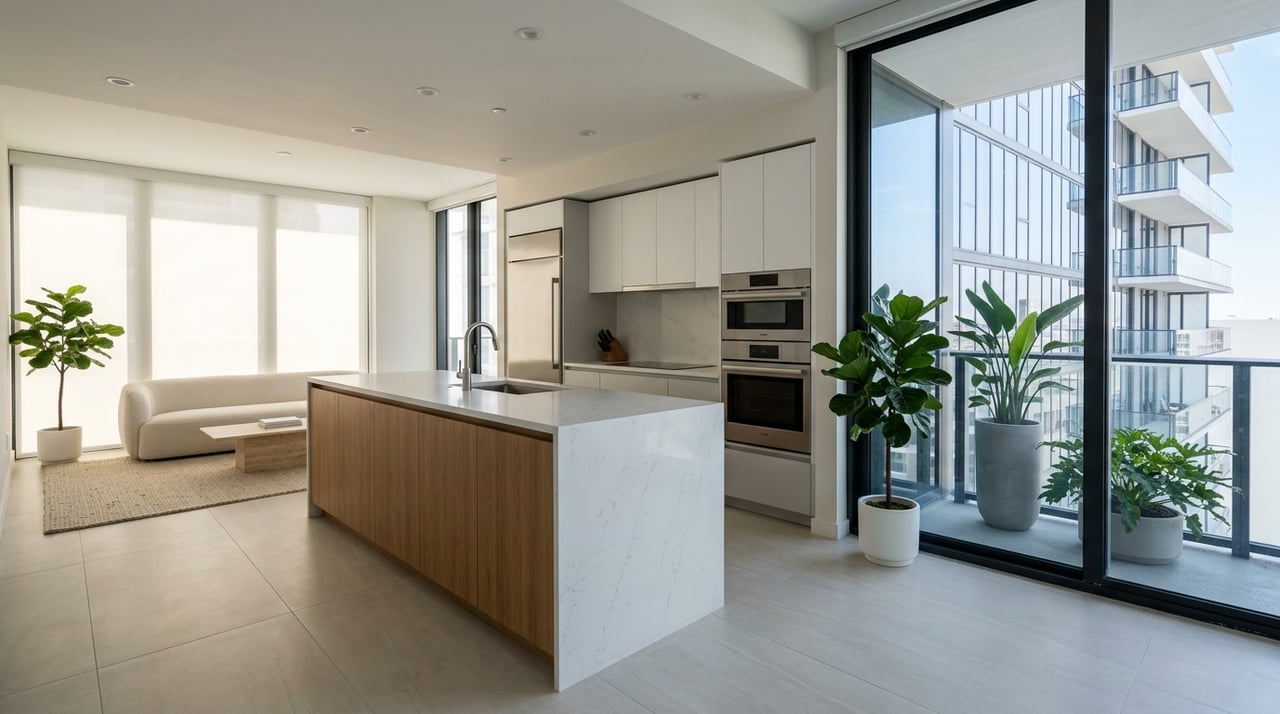
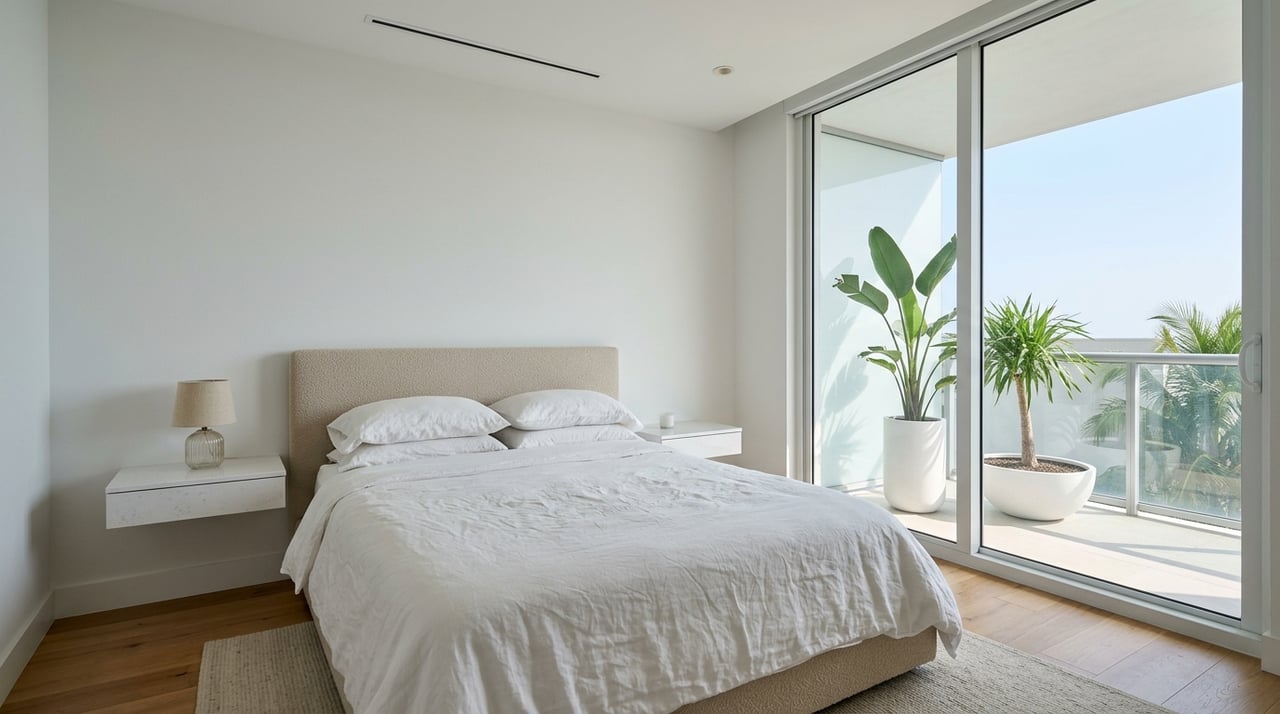
Before marketing, prepare your condo as if it is competing with the upper tier of Miami rentals. That means the unit should feel clean, functional, and easy to understand the moment a renter sees the photos or walks in.
Edgewater launch checklist
Use this pre-listing checklist to improve your launch:
- Deep clean the full unit
- Service appliances and HVAC
- Photograph key view corridors clearly
- Show the lobby and amenities accurately
- Decide in advance whether the unit will be furnished or unfurnished
- Confirm lease terms and building application steps
- Prepare a clear move-in cost summary
This kind of preparation helps serious renters move faster. It also signals that the property is being professionally managed.
Building Knowledge Can Save Time and Money
Not all Edgewater buildings lease the same way. Approval pace, application requirements, move scheduling, and rental restrictions can vary from tower to tower.
That is why building-level knowledge matters. In a neighborhood with deep condo inventory and changing competition, knowing how each property operates can help you avoid preventable delays, mismatched applicants, and unnecessary concessions.
A concierge-style leasing strategy is especially valuable when you want more than simple exposure. You want pricing guidance, polished presentation, lease negotiation support, and a smooth approval process that respects both your time and your asset.
If you want a more strategic plan for your Edgewater condo, Miami Rental Queen with Leni Giraldo offers personalized luxury lease placement, relocation support, and full-service property management across Greater Downtown Miami.
FAQs
What is the best lease length for an Edgewater luxury condo?
- For most owners using the condo as residential housing, a 12-month lease is the safest and most practical starting point.
Can an Edgewater condo association reject a tenant lease application?
- Yes. If the condominium documents give the association approval authority, it may approve or disapprove a lease, including for reasons such as unpaid assessments.
Are short-term rentals allowed in Edgewater luxury condos?
- It depends on the condo documents, building approvals, zoning, and city and county requirements. Rentals under 30 days or one calendar month fall under Miami-Dade short-term vacation rental rules.
Should you furnish an Edgewater luxury condo before leasing it?
- Furnished leasing can work well for relocators and corporate renters seeking turnkey convenience, while unfurnished units often attract a broader renter pool and lower turnover.
How should you price an Edgewater luxury condo for rent?
- Price should reflect the building, unit condition, views, amenities, furnishings, and current competition, with a launch strategy that accounts for possible concessions in today’s market.