Hurricanes are part of life on Biscayne Bay, but stress does not have to be. If you own a condo in Downtown Miami, a clear plan protects your family, your unit, and your building community when a storm threatens. In this guide, you get a simple, time-based checklist, plain-language evacuation steps, and smart insurance tips tailored to bayfront and riverfront towers. Let’s dive in.
What Downtown Miami faces each season
Atlantic hurricane season runs from June 1 to November 30, with the most activity from August through October. Storms that affect Downtown Miami can bring high winds, heavy rain, and storm surge from Biscayne Bay and the Miami River.
Storm surge can overtop sea walls and flood ground-level areas like lobbies, garages, and mechanical rooms. High tides can raise baseline water levels, which means even moderate surge can push water into lower floors and critical building systems.
Flood risk varies by property. FEMA Flood Insurance Rate Maps show zones such as VE and AE along the waterfront. Ask your association or manager for the building’s flood zone and elevation certificate if available, so you understand the exposure where you live.
Evacuation zones and when to leave
Miami-Dade County uses lettered evacuation zones from A through K. Orders are issued by zone based on storm surge risk, and they take precedence over individual choices. Know your home’s zone in advance and follow official county instructions if an order is given.
If your zone is ordered to evacuate, you should leave even if you live on a high floor. Ground-level flooding can disable elevators, generators, and life-safety systems. Access to exits can also be compromised after the storm, which is why zone-based orders matter.
If you need help evacuating due to medical equipment or mobility needs, register early for county special-needs assistance. Pet-friendly shelters may be available and have specific entry requirements. Check county communications before each event for the latest options.
Your unit checklist: pre-season
Do these steps in April or May so you are ready before the first storm forms.
- Documents and insurance
- Photograph or video your unit and contents. Save copies in the cloud and keep one printed, waterproof packet with IDs, policies, and a property inventory.
- Confirm what the condo association’s master policy covers. Review your HO-6 (condo unit) policy and flood insurance options. Note that NFIP or private flood policies often have a 30-day waiting period.
- Home mitigation and supplies
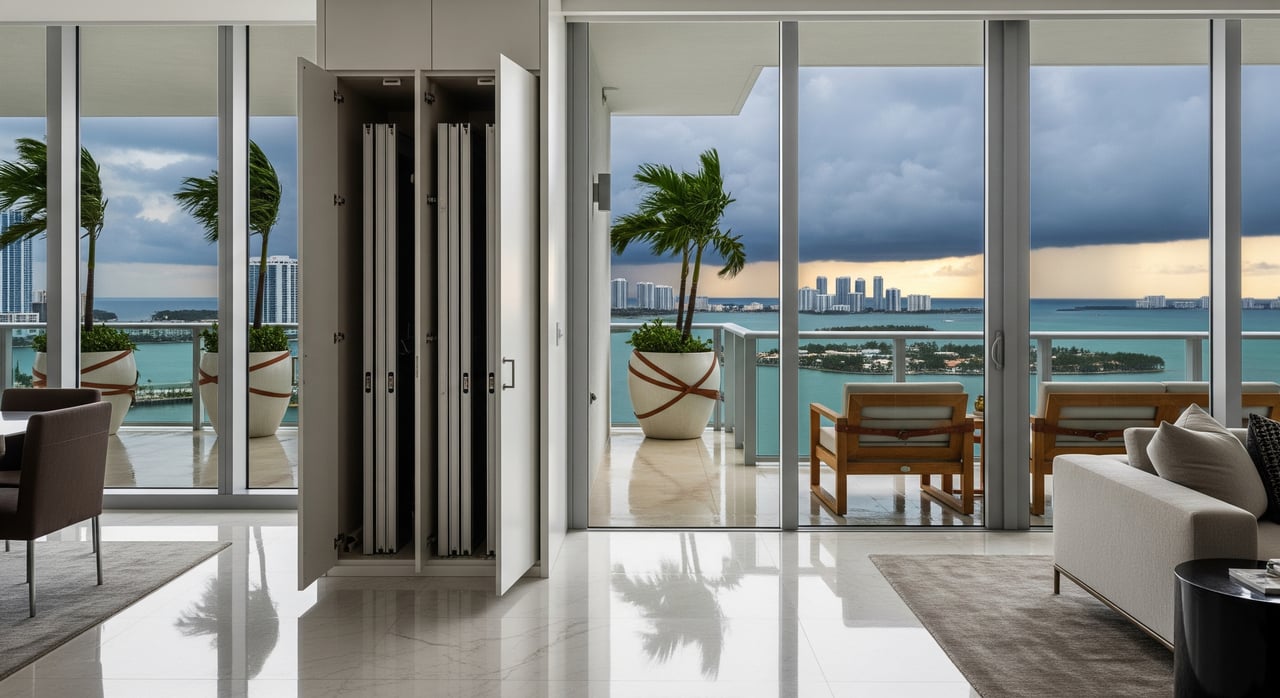
- Confirm you have impact windows or approved shutters per building rules and local code.
- Build an emergency kit with water, nonperishable food, first aid, medications for 7 to 14 days if possible, flashlights, extra batteries, a NOAA weather radio, phone power banks, pet supplies, and cash in small bills.
- Inventory and secure balcony items so nothing can become a wind-borne projectile.
- Store important documents and valuables in waterproof containers and place them in higher interior locations.
- Communications and planning
- Save contact details for your association, property manager, and neighbors in your phone and on paper.
- Enroll in county emergency alerts and monitor official weather sources.
- Map out evacuation options, including transportation and where you will go with pets if shelters that accept pets are not available.
72–48 hours before landfall
As soon as a storm threatens, use this list to protect your unit and finalize plans.
- Prepare your unit
- Move furniture and electronics away from windows. Raise electronics off the floor. Unplug major appliances if instructed by your building.
- Charge phones, power banks, and laptops. Top off your vehicle’s fuel.
- If your car is in a ground-level or below-grade garage, consider moving it to higher ground if the association allows and time permits.
- Finalize documents and supplies
- Print or pack insurance cards, association credentials, medication scripts, and several days of cash.
- Confirm plans for pets and any medical devices that require power.
- Follow building instructions
- Watch for posted rules about parking, elevator availability, and generator use. Keep a copy of any building-specific orders.
24 hours out: evacuate or shelter safely
If your zone or building is ordered to evacuate, leave promptly. Take keys, documents, medications, and your emergency kit. Elevators may be unavailable or unsafe as conditions deteriorate.
If sheltering in place is allowed and the building is operational, move to an interior room away from windows. Keep supplies nearby, conserve phone battery, and secure doors. Stay on higher floors if safe to avoid flooding, but remember that high-rise sheltering has limits if critical systems fail.
During the storm
Your priority is safety. Avoid windows and glass doors. Do not use elevators during power loss, visible flooding, or structural concerns, unless a technician or your manager confirms they are safe.
Stay informed with a battery-powered or NOAA weather radio. Keep phones charged and only use them as needed to conserve power.
After the storm: first 72 hours
Only return to the building when authorities and your association say it is safe. Be cautious of downed lines and contaminated floodwater.
Photograph and video any damage before you clean up. File claims promptly and follow your insurer’s instructions. Keep all receipts for emergency repairs or temporary lodging.
Move wet items to dry areas to reduce mold growth. Open windows only when safe. If you smell gas or suspect water intrusion near gas lines, do not use the stove and notify management.
Be wary of unlicensed contractors who arrive immediately after the storm. Verify credentials and get multiple bids for major repairs. Your association or manager may share vetted vendor contacts.
Building and association: what to expect
Your association and property manager handle life-safety systems, building envelope protection, and common areas. Before each season they should test fire alarms, sprinklers, generators, pumps, and emergency lighting, and confirm vendor and fuel contracts.
A written emergency action plan should outline roles, how they will communicate with owners, and procedures for evacuation or shelter in place. Expect building updates through redundant channels such as email, text, portal posts, and lobby notices.
For parking and garages, your building may issue instructions to move vehicles, secure doors, and protect mechanical equipment. After the storm, licensed technicians should inspect elevators and critical systems before reactivating them. The association will also manage insurance claims for common elements and track repair bids.
Insurance basics for condo owners
Condo coverage typically divides between the association’s master policy and your individual policies. The master policy usually covers common elements, the building structure, and certain components of the building envelope. Your HO-6 policy generally covers interior finishes and personal property.
Flood damage is not covered by most standard policies. That risk is addressed by a separate flood policy through the National Flood Insurance Program or a private insurer. Review deductibles, including wind and hurricane deductibles that are common in Florida.
Ask your association for a summary of the master policy, including limits and exclusions, and whether there is loss-assessment coverage. Then review your personal coverage with your insurer so you understand what is and is not protected.
High-rise tips: balconies, parking, elevators
- Balconies
- Remove or secure furniture, planters, and decor well before winds increase. Even small items can become dangerous projectiles.
- Parking
- Ground-level and below-grade garages can flood first. If your building advises moving vehicles, do so early and document your car’s condition and location.
- Elevators
- Expect restrictions before, during, and after a storm. Avoid elevators when power is unstable or flooding is present. Afterward, wait for inspections by licensed technicians before use.
Make a personal plan now
The best time to prepare is before the season begins. Start with your documents, supplies, and a building-aware evacuation plan. Check your insurance and talk with your association so responsibilities are clear.
If you want a personalized readiness plan for your condo or assistance coordinating property management through the season, reach out. Miami Rental Queen offers concierge-level guidance for luxury rentals, relocations, buyer advisory, and full-service property management across Greater Downtown Miami. Let’s Connect.
FAQs
Can I stay in my Downtown Miami condo during a hurricane?
- If your evacuation zone is ordered to leave or your building directs evacuation, you should go. Even high floors can become unsafe if elevators, generators, or life-safety systems fail.
How do Miami-Dade evacuation zones work?
- The county assigns zones A through K based on storm surge risk. When your zone is ordered to evacuate, you should leave regardless of floor level or view.
What insurance covers hurricane and flood damage in a condo?
- The association’s master policy covers common elements and structure, while your HO-6 covers interior finishes and personal property. Flood damage requires a separate flood policy.
Are impact windows required in my building?
- Requirements depend on building code, association rules, and any architectural approvals. Confirm the process with your association before making changes.
Should I move my car from the garage before a storm?
- Yes, if your garage is at or below grade or your association advises relocation. Those areas can flood early from surge and heavy rain.
How long could power be out after a hurricane?
- It varies by storm and infrastructure damage. Be prepared for outages that last several days or longer, and keep power banks and supplies ready.
Where can I get official local updates?
- Rely on Miami-Dade County emergency management for evacuation and shelter information and NOAA/National Hurricane Center updates for forecasts. Follow your building’s communications for property-specific instructions.