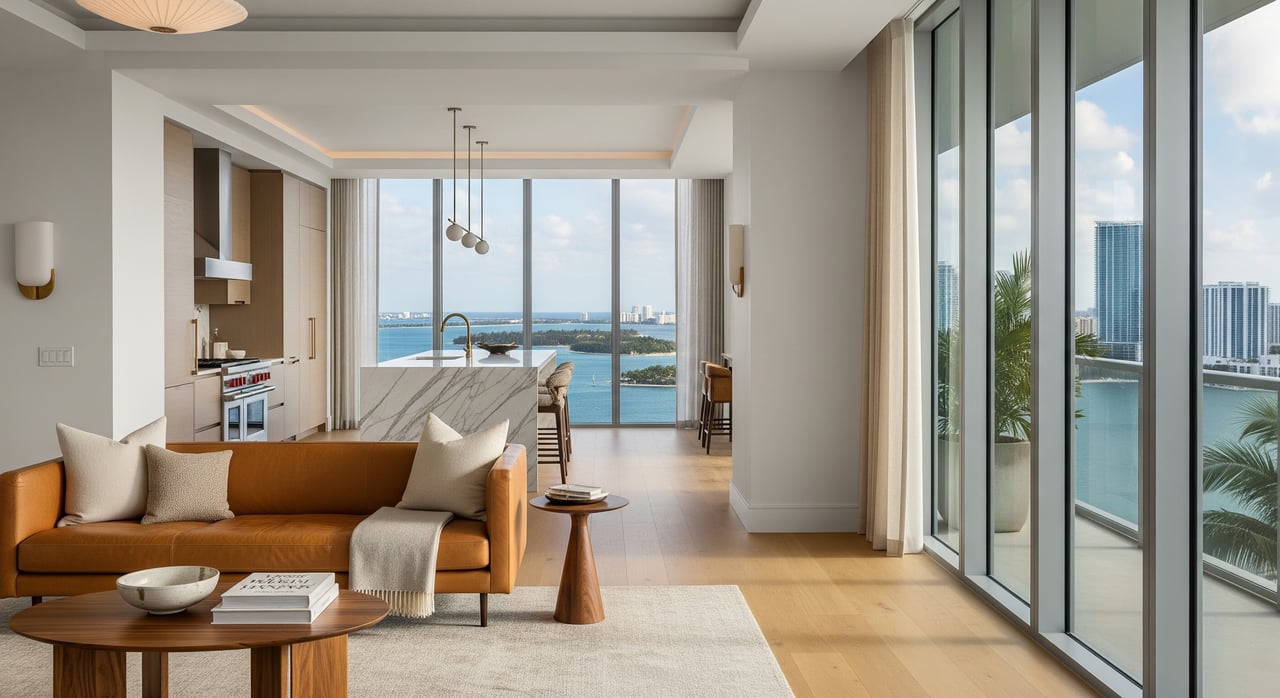
Thinking about renting or leasing out a home in Brickell and not sure whether furnished or unfurnished is the better move? You are not alone. With corporate relocations, international transfers, and luxury high-rises shaping the area, the right choice depends on how long you plan to stay or what kind of tenant you want to attract. In this guide, you will learn how each option performs in Brickell, what it costs, how building rules affect your plan, and how to run the numbers with confidence. Let’s dive in.
Brickell rental landscape at a glance
Brickell is a high-density, luxury high-rise neighborhood in the City of Miami. Many buildings are modern condo towers with full amenities. The renter mix includes young professionals, international executives, relocating employees on temporary assignments, and longer-term residents. This mix supports demand for both turnkey furnished rentals and conventional unfurnished leases.
You will also see some seasonality. Winter can bring stronger demand for furnished or medium-term stays tied to business travel and tourism patterns. Because data sources define markets differently, you should cross-check current rent and occupancy with local MLS, association reports, and property managers.
Furnished vs unfurnished: who each option fits
If you are a renter
- Choose furnished when you want a quick, turnkey move-in with lower upfront costs for furniture.
- Choose furnished if you are on a temporary assignment, bridging between homes, or planning a stay of a few months.
- Choose unfurnished when you plan to stay multi-year and want to personalize the space and control costs.
If you are an owner or investor
- Furnished often attracts corporate and international tenants and can rent faster to that segment.
- Unfurnished targets longer-term residents who may stay multiple years and reduce turnover.
- Your building’s leasing rules and the City of Miami’s regulations may determine what is possible, especially for short-term stays.
Owner pros and cons
Benefits of offering furnished
- Potential rent premium. Many markets cite a 10 to 20 percent premium versus comparable unfurnished units. Always verify with Brickell comps by unit type and building class.
- Broader appeal to corporate and international tenants who value turnkey convenience.
- Flexibility to set minimum stays such as 3 to 6 months where allowed, which can balance turnover and income.
Trade-offs to consider
- Upfront furnishing cost. Outfitting a studio or one-bedroom to Brickell standards is a real investment.
- Higher turnover expenses. Expect more wear, furniture replacement, cleanings, and staging.
- Inventory and liability. You need detailed furniture lists, condition photos, and strong lease clauses for responsibility and damage.
- Building and local restrictions. Many condo associations restrict short-term rentals. Always check the bylaws and City of Miami policy.
Renter pros and cons
Why a furnished rental can help you
- Immediate convenience. You avoid buying, moving, or storing furniture.
- All-in budgeting. Some furnished packages include utilities and Wi-Fi, which simplifies monthly planning.
- Good for transition periods. Ideal if you are relocating, on assignment, or exploring the area before buying.
What to weigh carefully
- Higher monthly rent and possibly a higher deposit.
- Less control over style and layout.
- Lease terms may be shorter and less flexible for long stays.
What affects pricing and demand in Brickell
- Corporate relocations and international transfers increase demand for furnished, move-in-ready homes.
- Bridge housing for buyers and sellers supports furnished and partially furnished options.
- Long-term residents often prefer unfurnished to personalize their space and manage costs.
- Winter season can lift demand for furnished and medium-term stays.
- Short-term rental analytics can be misleading for long-term planning, so always compare MLS comps and long-term listing data before deciding.
Legal and building rules you must confirm
Before you commit to furnished or unfurnished, review the following:
- Florida Landlord-Tenant law in Chapter 83 of the Florida Statutes for lease terms, deposits, and procedures.
- City of Miami ordinances for short-term rental rules and any licensing.
- Condo or HOA bylaws for your specific Brickell building. Many towers restrict short-term leasing or set minimum lease lengths.
- Miami-Dade County taxes and registration. Transient or tourist taxes can apply to shorter stays. Confirm definitions, thresholds, and collection requirements.
- Insurance coverage. Furnished units and any short-term use may require additional coverage or endorsements. Consider requiring renter’s insurance.
How to run the numbers: a simple framework
Build a side-by-side model that estimates premium, turnover, and costs.
- Revenue: Estimate the monthly rent premium for furnished versus unfurnished. Apply a realistic occupancy assumption.
- Costs: Include furniture purchase, delivery, and assembly. Add a yearly replacement reserve, utilities if you include them, insurance differences, cleaning, and turnover costs.
- Net: Subtract added costs from your incremental furnished revenue to find your annual gain. Use that to calculate payback on the furniture investment.
Illustrative example for a one-bedroom
Label this as a simplified model and adjust with local comps and your building rules.
- Assumptions: Unfurnished rent 3,200 per month. Furnished premium 15 percent. Occupancy 95 percent in both cases. Furniture package 12,000. Extra monthly costs for furnished 200 (utilities, insurance, replacement reserve). Turnover and cleaning 900 annually.
- Incremental revenue: 3,200 x 15 percent = 480 per month premium. Annual premium = 480 x 12 x 95 percent = 5,472.
- Incremental annual costs: 200 x 12 = 2,400, plus 900 turnover = 3,300.
- Net incremental income: 5,472 minus 3,300 = 2,172 per year.
- Payback period: 12,000 divided by 2,172 is about 5.5 years.
What this means: At these assumptions, furnishing could pay back in roughly five to six years. If your premium is higher, or if you reduce turnover with 6-month minimums, the payback can shorten. Always validate with Brickell-specific comps.
Setup and management best practices
- Keep a detailed inventory. Photograph every item, note brand and condition, and have the tenant sign off at move-in and move-out.
- Furnish to market expectations. Choose modern, durable pieces that photograph well. Include essentials like a bed, sofa, dining set or table, window coverings, cookware, utensils, TV, and Wi-Fi router.
- Write clear lease clauses. Define furniture care, repair responsibility, replacement guidelines, and cleaning standards.
- Price and position clearly. State what is included, such as utilities, Wi-Fi, parking, and amenity access. Call out proximity to the Brickell financial district and services in the building.
- Consider management support. A local manager with corporate housing experience can reduce vacancy and oversee turnovers, especially if you are out of town.
When furnished makes the most sense in Brickell
- You target corporate or international tenants who value speed and convenience.
- Your building allows medium-term leases and you can set a 3 to 6-month minimum to curb turnover.
- You want flexibility for bridge housing or relocations where lease lengths vary.
When unfurnished fits better
- You prefer longer, stable tenancies with lower turnover costs.
- Your building’s rules restrict shorter leases.
- You want to reduce furnishing investment, insurance exposure, and replacement risk.
Quick checklist for owners switching to furnished
- Confirm City of Miami rules and your building’s minimum lease terms.
- Budget for a full furniture package, delivery, and assembly.
- Set a replacement reserve and plan for professional cleanings.
- Update your insurance and require renter’s insurance.
- Build a photo inventory and add precise lease clauses.
- Decide on inclusions: utilities, Wi-Fi, parking, housekeeping options.
- Align your pricing and minimum stay to your target tenant profile.
If you want help weighing the trade-offs, comparing comps, or placing a high-quality tenant, concierge guidance can streamline the decision and execution from end to end.
Ready to match the right strategy to your Brickell home or search? Reach out to Miami Rental Queen for curated options, lease negotiation, and full-service management support.
FAQs
What is included in a Brickell furnished rental?
- Furnished homes typically include essential furniture like a bed, sofa, dining set or table, window coverings, basic kitchenware, a TV, and a Wi-Fi router. Always confirm the exact inventory in the lease.
How much more do furnished Brickell rentals cost?
- A commonly cited premium is 10 to 20 percent over comparable unfurnished units, but the real premium varies by building, unit quality, and lease length. Verify with current Brickell comps.
Can you offer short-term rentals in Brickell condos?
- It depends on City of Miami rules and your building’s bylaws. Many condo associations restrict short-term stays or set minimum lease terms. Confirm both before marketing a unit.
Are utilities included with furnished apartments in Brickell?
- Sometimes. Many furnished packages include some utilities and Wi-Fi for convenience. Inclusion affects perceived value and pricing, so clarify in writing.
What security deposit applies to furnished rentals?
- Deposits can be higher for furnished homes due to the value of the contents. Use a detailed inventory and clear responsibility clauses to reduce disputes.
Will a furnished unit rent faster in Brickell?
- Often yes for corporate or temporary tenants seeking turnkey homes. For long-term renters, unfurnished may be equally or more competitive depending on demand.