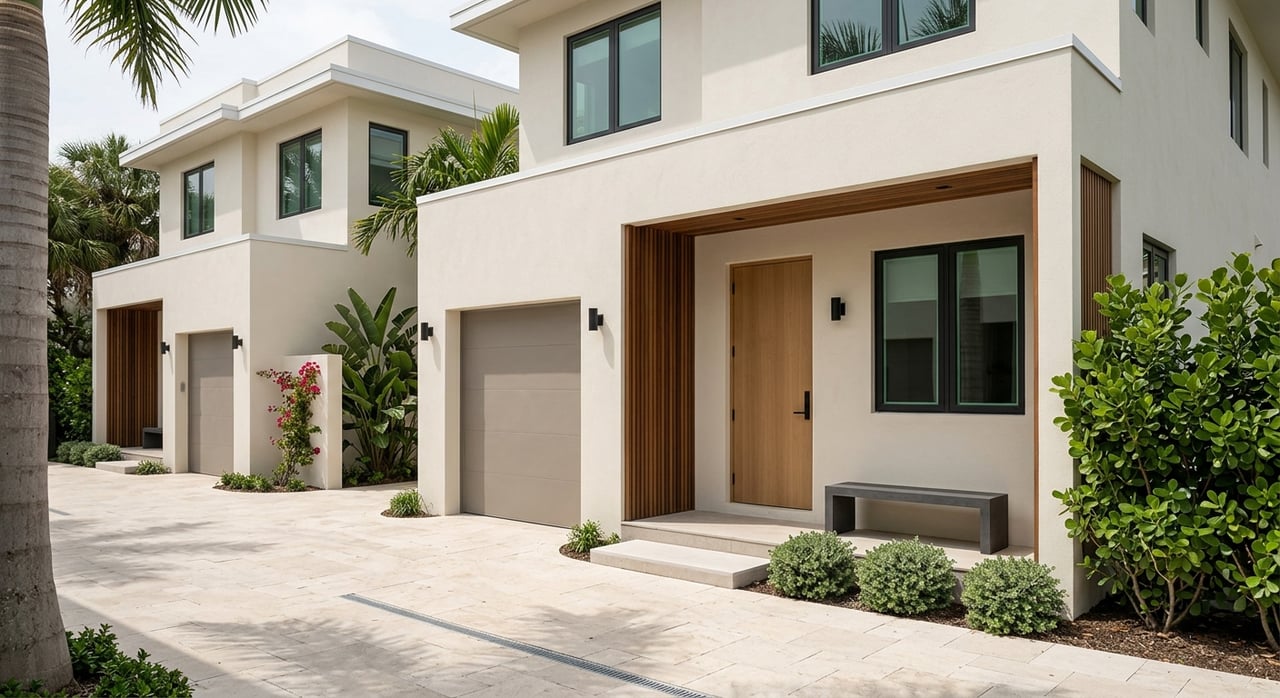
Trying to choose between a condo rental and a townhome rental in Coconut Grove? It is a common question, especially if you are relocating, downsizing, or simply want a home that fits your day-to-day lifestyle. The right answer depends less on what sounds better on paper and more on how you live, what kind of space you need, and what rules come with the property. Let’s break it down so you can choose with confidence.
Why Coconut Grove Offers Both
Coconut Grove has a built environment that naturally supports more than one rental style. The City of Miami describes the neighborhood as Miami’s original neighborhood, founded in 1873, with a focus on preserving architectural variety, walkable character, natural aesthetic, access to water, and tree canopy.
For you as a renter, that means you will find both vertical, amenity-rich condo living and lower-rise, more residential townhome options. The neighborhood also benefits from practical lifestyle features like the Coconut Grove trolley, which connects the area to parks, shopping areas, City Hall, and Metrorail stations.
If waterfront access matters to you, Dinner Key Marina adds another layer to the Grove lifestyle. The marina includes slips, moorings, parking, and shuttle service, which can make the area especially appealing if you want easy access to boating and bayfront living.
When a Condo Rental Makes Sense
A condo rental in Coconut Grove often works best if you want convenience built into your daily routine. Many luxury condo buildings in the area emphasize service and shared amenities that can make life feel more streamlined.
Depending on the building, features may include:
- 24-hour concierge
- Valet
- Butler service
- Business centers
- Private dining rooms
- Rooftop pools
- Spa and wellness spaces
- Private balconies
- Dog parks
- Pet grooming rooms
- Office or den space
Some buildings also advertise boating-related services, including help arranging yachts, boats, or sailing lessons. If you prefer a lock-and-leave lifestyle, this kind of setup can be a strong match.
Condo Benefits to Think About
A condo may be the better fit if you value low-maintenance living and want services close at hand. This can be especially helpful if you travel often, work long hours, or are relocating and want a more turnkey experience.
For many renters, condo living also supports remote work well. Buildings that include business centers, flexible dens, and service-driven amenities can make it easier to balance work and home without adding extra setup or upkeep.
Condo Tradeoffs to Expect
The biggest tradeoff is that condo living is more shared and often more rule-driven. Florida condo law allows the declaration and bylaws to include restrictions related to use, occupancy, and transfer, and tenants must comply with the governing documents.
That means your experience may be shaped by building rules around pets, parking, move-ins, guests, and lease approval. Associations can also levy fines or suspend certain use rights for violations, and if the governing documents allow it, the association may approve or disapprove a proposed lease.
When a Townhome Rental Makes Sense
If you want a rental that feels more like a house, a townhome or small-community rental may be the better choice. In Coconut Grove, recent examples include gated townhome communities with two-car garages, ample storage, and rooftop decks, as well as boutique residences with townhome units, private gardens, and very tall ceilings.
These features often translate into a more private and residential day-to-day experience. If you like having your own entry, more storage, easier parking, or better indoor-outdoor flow, this type of rental may feel more natural.
Townhome Benefits to Think About
A townhome can be a smart fit if you want more functional space beyond the square footage alone. Garage parking, storage, roof terraces, and private outdoor areas can make a real difference in how comfortable your home feels over time.
This setup can also be appealing if pets are part of your household or if you entertain often. A private garden, rooftop deck, or direct access to outdoor space may offer the flexibility that a balcony alone cannot.
Townhome Tradeoffs to Expect
The tradeoff is that boutique and small-community rentals usually offer fewer hotel-style services than a luxury condo tower. You may gain privacy and space, but give up some of the convenience that comes with staffed buildings and large shared amenity packages.
Association rules can still matter here as well. Under Florida HOA law, associations may amend governing documents to regulate or prohibit rental agreements, and the statute specifically allows regulation of leases under 6 months and the prohibition of more than three rentals in a calendar year.
Focus on Rules, Not Just Property Type
One of the most important things to understand is that the word condo or townhome does not tell you everything. In Coconut Grove, the association documents behind a property can have just as much impact on your rental experience as the layout or amenities.
Both condo and HOA communities may have rules covering:
- Lease length
- Pet allowances
- Occupancy limits
- Parking
- Guest access
- Move-in procedures
- Approval steps before the lease starts
This is why two homes that look similar online can feel very different once you review the actual lease process and building or community requirements. If you are comparing options, these details should be part of the conversation early.
Short-Term and Furnished Stay Considerations
If you are looking for a seasonal rental, furnished stay, or anything shorter-term, there is another layer to consider. The City of Miami treats short-term rental or lodging as transient occupancy and requires specific approvals before operations can begin.
According to the city, this includes a Certificate of Occupancy, a DBPR lodging license, a Certificate of Use, and a Business Tax Receipt. Miami-Dade County also requires notice to the HOA or condominium or co-op board, if there is one, and compliance with that board’s vacation-rental rules.
The county also imposes standards related to occupancy, parking, pets, noise, and related issues. So if your timeline is anything other than a typical year lease, you will want to confirm the exact use allowed before moving forward.
How to Choose Between a Condo and Townhome
The best choice comes down to your daily routine, your priorities, and the way you want your home to function. A condo often wins on service and simplicity, while a townhome often wins on privacy and practical living space.
Use these questions to narrow your choice:
How much space do you really need?
Think beyond bedroom count. If you work from home, host overnight guests, or want a separate office, den, or flex space, that may shape your search right away.
In some condo buildings, office space or dens are part of the appeal. In many townhomes, the extra storage and multi-level layout may give you more ways to use the space day to day.
How important is parking?
Parking can strongly affect convenience, especially if you have more than one car or expect frequent visitors. Some townhome communities offer direct garage parking, while condos may offer valet or assigned spaces.
Neither is automatically better. The better option is the one that matches how you actually come and go.
Is a balcony enough?
Outdoor space means different things to different renters. If you mainly want fresh air and a place for morning coffee, a condo balcony may be all you need.
If you want a private garden, a rooftop terrace, or easier outdoor flow for pets and entertaining, a townhome may be a stronger fit. This is one of the clearest lifestyle differences between the two options.
Are pets central to your decision?
If pets are a big part of your home life, review the association rules carefully. Some condo buildings advertise dog parks and pet grooming rooms, which can be very appealing.
At the same time, condo disclosure materials specifically summarize whether there are restrictions related to children and pets. A townhome with outdoor space may feel ideal, but you still need to confirm what the association allows.
What lease term do you need?
Your lease length may narrow your options faster than anything else. If you are looking for a standard long-term lease, you may have more flexibility across both condos and townhomes.
If you need a shorter furnished stay or seasonal setup, association rules and local requirements become even more important. In those cases, confirming the allowed use up front can save you time and frustration.
A Simple Way to Decide
If you want concierge service, low-maintenance living, shared luxury amenities, and strong boating or bayfront proximity, a condo rental may be the right move. If you want more privacy, garage parking, storage, outdoor space, and a more residential rhythm, a townhome may be the better fit.
In Coconut Grove, both options can be excellent. The key is matching the property to your routine, your priorities, and the rules that come with the community.
A curated search can make that process much easier, especially if you are relocating, comparing furnished and unfurnished options, or trying to balance lifestyle with lease logistics. If you want tailored guidance on Coconut Grove rentals, Miami Rental Queen with Leni Giraldo can help you narrow the options, negotiate strategically, and make your move feel seamless.
FAQs
What is the main difference between condo and townhome rentals in Coconut Grove?
- Condo rentals often focus on shared amenities and service, while townhome rentals usually offer a more private, house-like feel with features such as garages, storage, and outdoor space.
Are Coconut Grove condo rentals more restrictive than townhome rentals?
- They can be, but the real answer depends on the association documents for the specific property because both condo and HOA communities may have enforceable lease, pet, parking, occupancy, and move-in rules.
Are short-term rentals allowed in Coconut Grove condos and townhomes?
- Short-term rental use in the City of Miami requires specific approvals and must also comply with any condo, co-op, or HOA rules that apply to the property.
What should pet owners check before renting in Coconut Grove?
- You should confirm the association’s pet rules, since governing documents and condo disclosure materials may include specific restrictions or allowances.
Which Coconut Grove rental type is better for relocation?
- A condo may suit you better if you want turnkey convenience and amenities, while a townhome may suit you better if you want more privacy, storage, parking, and outdoor space during your move.